A massive dust storm, or haboob, swept across the Sahara Desert from western Algeria into Mauritania, Morocco, Western Sahara and the Canary Islands on March 30. The dust stretched for more than 1,000 miles.
As meteorologists observed the dust storm from space via weather satellites, social media users captured the incoming dust storm on camera. One video shows a thick wall of dust and sand moving toward a resident of the town of Tindouf, near the Mauritanian, Western Saharan and Moroccan borders.
How does the dust affect tropical storms in the Atlantic?
While this storm didn't make it too far off the coast, significant amounts of dust can drift westward from Africa across the Atlantic beginning in May. This can inhibit tropical storm formation, or the strengthening of an existing system, because the dusty air has about 50% less moisture than the typical tropical atmosphere.
Strong winds in the dust layer can also substantially increase the vertical wind shear in and around the storm environment, potentially disrupting any storm that forms.




 Key Training: Picking a Significant for Monetary Achievement
- Novo Nordisk gears up for December Ozempic launch in India, sources say
- Watch This Glacier Race into the Sea
- People who talk with their hands seem more clear and persuasive – new research
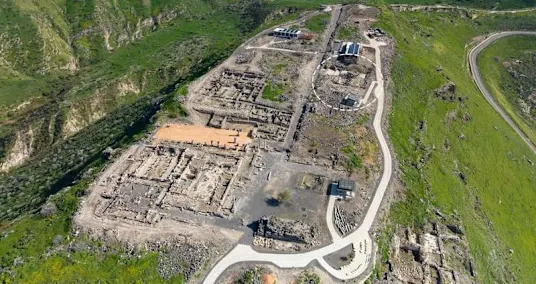
- Evidence of lost baptismal rite stage uncovered in Byzantine era cathedral near Sea of Galilee
- Relish the World: Notable Caf\u00e9s You Really want to Attempt
- Find Successful Magnificence Items for Sparkling Skin
- AI is providing emotional support for employees – but is it a valuable tool or privacy threat?
- Exploring Programming Greatness: A Survey of \Easy to use Connection points\